
Your JHA. Your standards.
Fill in the JHA you already use. Blue adds the OSHA, MSHA or company standard behind each hazard, with the control and PPE it requires.
Keep your JHA. We add your standards.
Send us the JHA you use today as a PDF, a spreadsheet or a photo of the paper form. Every question stays, and every site and crew uses the same version. No JHA yet? Start with ours.
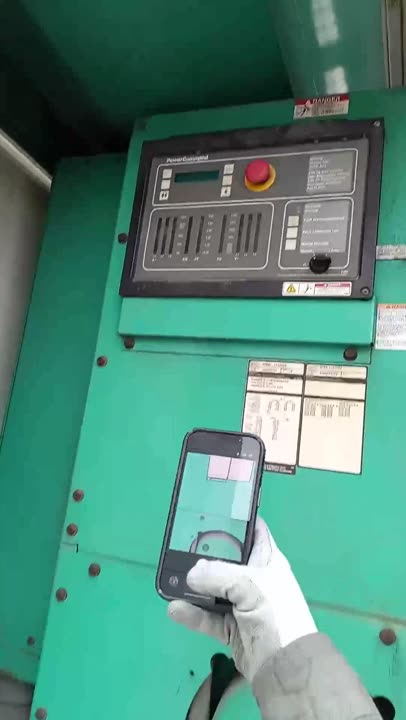

“Starting the JHA. Unprotected edge at fourteen feet.”
Fall protection applies at six feet: 29 CFR 1926.501(b)(1). Guardrail, safety net or personal fall arrest.
“Temporary cord across the walkway.”
Keep walkways clear of cords: 29 CFR 1926.416(b)(2). Route it out of the access path.
“Harness on. Cord rerouted.”
Both controls are on your JHA. It’s ready for your review.
- Job hazard analysisFor your review
- Unprotected edge, 14 ft1926.501(b)(1)
- Cord across walkway1926.416(b)(2)
- Controls in placeRecorded
Job hazard analysis
Set up for the standards you follow
OSHA, MSHA, FMCSA, Canada’s provincial rules, your trade’s standards and your own safety manual. Blue cites them by section, the way your safety manager would.
Pick your industry
Configured for the standards your program follows, using the reference material you provide.
Every hazard gets its citation
Name the hazard and Blue adds the citation, the requirement in plain words, the control and the PPE. When nothing matches, Blue says so instead of guessing.
Guard missing on conveyor tail pulley
Guard moving machine parts that can cause injury, including tail pulleys.
Check applicabilityThis example assumes the pulley is within reach of a walking or working surface. Paragraph (b) provides an exception for exposed moving parts at least seven feet away.
Fill it in like any checklist
Say what you see and each answer lands on its question. Blue walks new techs through the form and tells experienced techs what they missed.
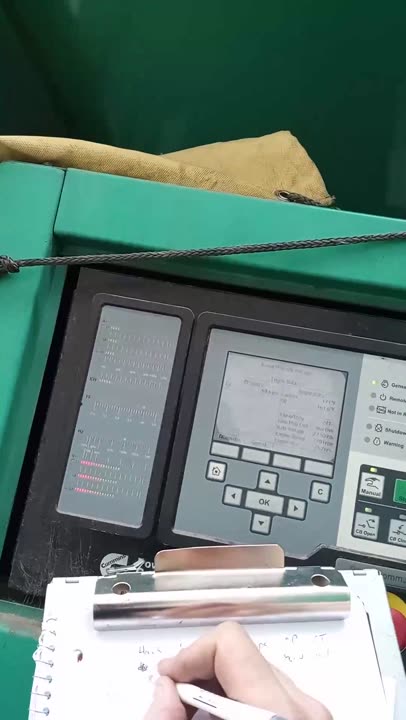
“Starting the JHA. Pulling cable in the electrical room.”
What hazards do you see?
“Ladder work, a live panel and a temporary cord across the walkway.”
Lock out the panel before you start. Keep walkways clear of cords: 29 CFR 1926.416(b)(2). Route it out of the access path.
“Ladder checked. Fall protection reviewed. Panel locked out.”
Does this task involve a confined space?
“No.”
Your JHA is ready for review.
- Job hazard analysisFor your review
- Task and work areaCaptured
- Hazards, standardsRecorded
- Confined spaceNone
Job hazard analysis
A JHA your safety team can stand behind
Every line has the hazard, the standard, the control, the PPE and a timestamped photo. Object detection flags what’s easy to miss, like missing PPE, unmarked cords, ladders and open edges, for you to confirm. You review it, fix anything Blue got wrong and submit before the work starts.
Only you turn them on. No GPS, no live stream. Cameras not allowed? Use voice only.
Who sees whatQuestions safety teams ask
Does Blue decide whether the job is safe?
No. Blue cites the standard and the control. The person doing the work, and your safety team, make the call.
Which standards can it cite?
The ones your workspace is configured for: federal regulations, your trade’s standards, provincial rules, and your own safety manual.
We’re regulated by MSHA, not OSHA.
We configure your workspace for MSHA, and Blue cites it instead.
Can the tech hear the standard on the job?
Yes. Ask Blue and it reads the requirement back through the glasses.
What about sites that ban cameras?
Fill the JHA by voice, or on the phone where it’s allowed.
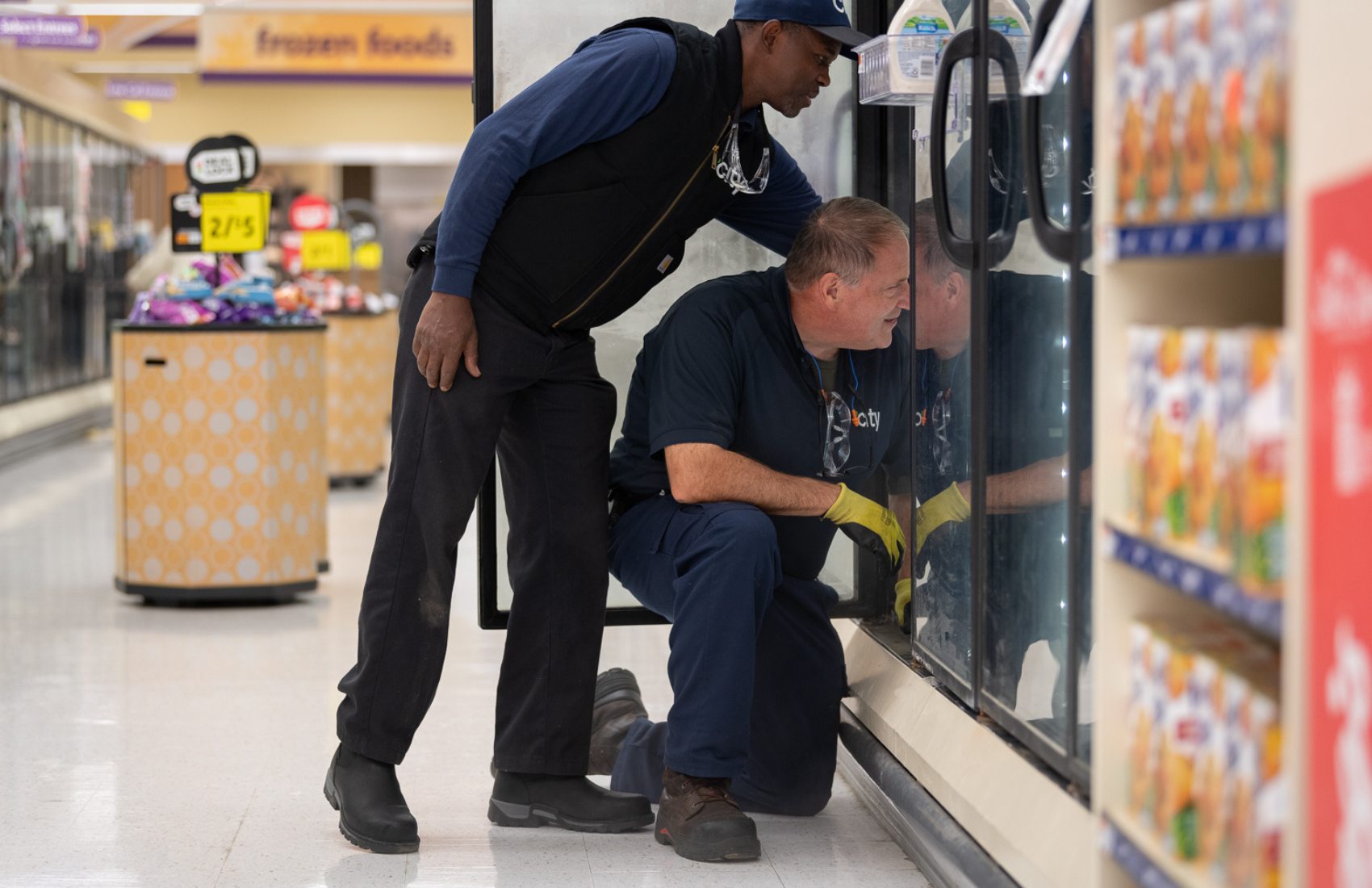
“Whether it’s a safety issue or just the daily grind, now there’s a real record of what we do out here. That changes everything.”
 Montell WalcottHead of Safety, CityFM